


Currently booking evaluations in September & October 2026.
Our Practice Approach
Neurodiversity describes the natural range of differences in how human brains function socially, cognitively, and emotionally. It reflects the understanding that each brain is unique and that this variation is a normal part of the human experience. Because society is often structured around the needs of those considered “neurotypical,” individuals who think, learn, or relate differently may face barriers that make it harder to thrive without targeted support. Diagnoses such as ADHD, Autism, and Learning Disabilities help identify and understand these differences, guiding how to best support each person’s strengths and challenges.
At the Center for Pediatric Neurodiversity, we embrace a neurodiversity-affirming, trauma-informed, and gender-affirming approach that recognizes the impact of lived experiences and identity on development and well-being. We understand that children’s brains, and their sense of self, are shaped by many factors, including environment, safety, and inclusion. Our goal is to provide compassionate, respectful care that honors each child’s individuality.
In addition to comprehensive neuropsychological testing, we incorporate collateral information from families, schools, and other providers to understand each child within the full context of their life. We focus not only on modifying a child’s behavior but on creating supportive environments, at home, in school, and in the community, where every child can feel understood, valued, and capable of success.
How We Can Help
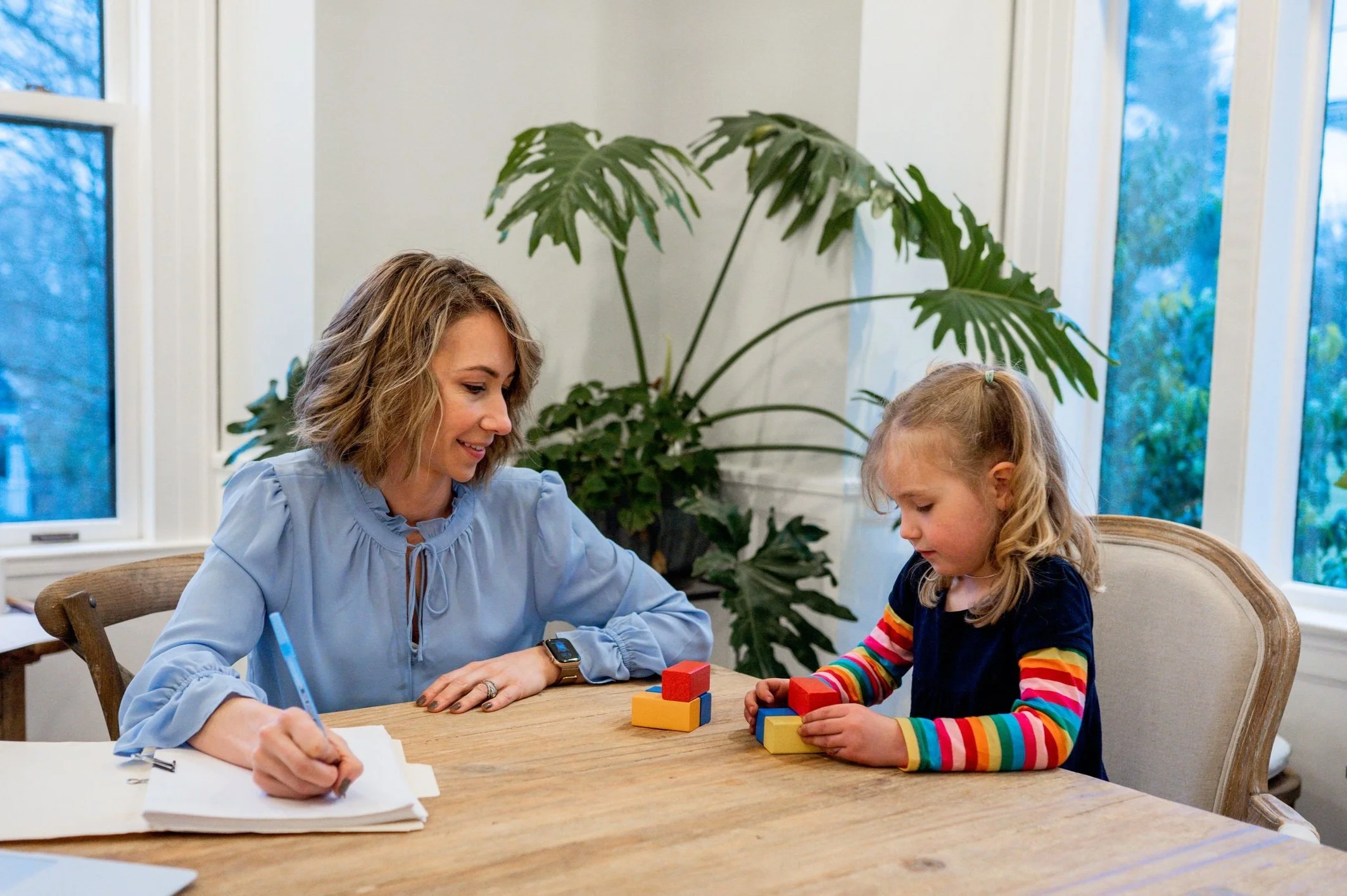
Neuropsychological Evaluations
We pair traditional neuropsychological evaluation with on-site observation such as school, home, or other activities. We also rely on extensive communication with other people in your child’s life such as teachers, friends, and family, to enrich our understanding of your child in different contexts. The traditional neuropsychological evaluation can also include the evaluation of academic achievement.

Therapy
We generally focus on therapy services delivered via parent training. This method involves educating and equipping parents with the skills and strategies necessary to manage and improve their child's behavior. Through structured sessions, psychologists guide parents in understanding the underlying causes of their child's behavior and implementing strategies for change. Therapists are trained in various therapeutic strategies, including cognitive-behavioral therapy (CBT), behavior analysis, Supportive Parenting for Anxious Childhood Emotions (SPACE), and family systems therapy.
Consultation
Have a psychologist from our team visit your child's school to perform an observation. During the observation, the psychologist carefully monitors your child in their natural school setting to gather valuable insights that inform the assessment process or to personalized intervention strategies in therapy.
We also attend Yearly IEP (Individualized Education Plan) meetings to ensure your child receives the most appropriate and effective educational support.
Not sure what you need? Contact us and we can help!